Complete Heart Health Guide: Symptoms, Causes, Prevention & Healthy Living
Your heart pumps blood, oxygen, and nutrients around your body non-stop, which makes it a key organ to your wellbeing. Healthy heart is vital for more than just protecting yourself from cardiovascular diseases; it gives you energy, helps you maintain brain function, and improves your quality of life. Unfortunately, due to our sedentary way of living, poor nutrition, lack of activity, stress, smoking, excess weight, and some chronic diseases like diabetes and hypertension, there are increasing number of people who have developed heart diseases.
Fortunately, there are many ways you can prevent heart diseases and manage those who have already appeared. You will learn what the warning signs are, what risk factors cause heart diseases, how to choose proper foods and follow a balanced nutrition, exercise regularly, and monitor your health at home. In addition, this guide will tell you what medical supplies to purchase to take care of your heart and stay healthy for long.
This comprehensive guide will give you all the necessary information on heart health, covering the most common heart diseases, symptoms, causes, prevention methods, healthy eating tips, lifestyle recommendations, health monitoring equipment and products.
What Is Heart Health?
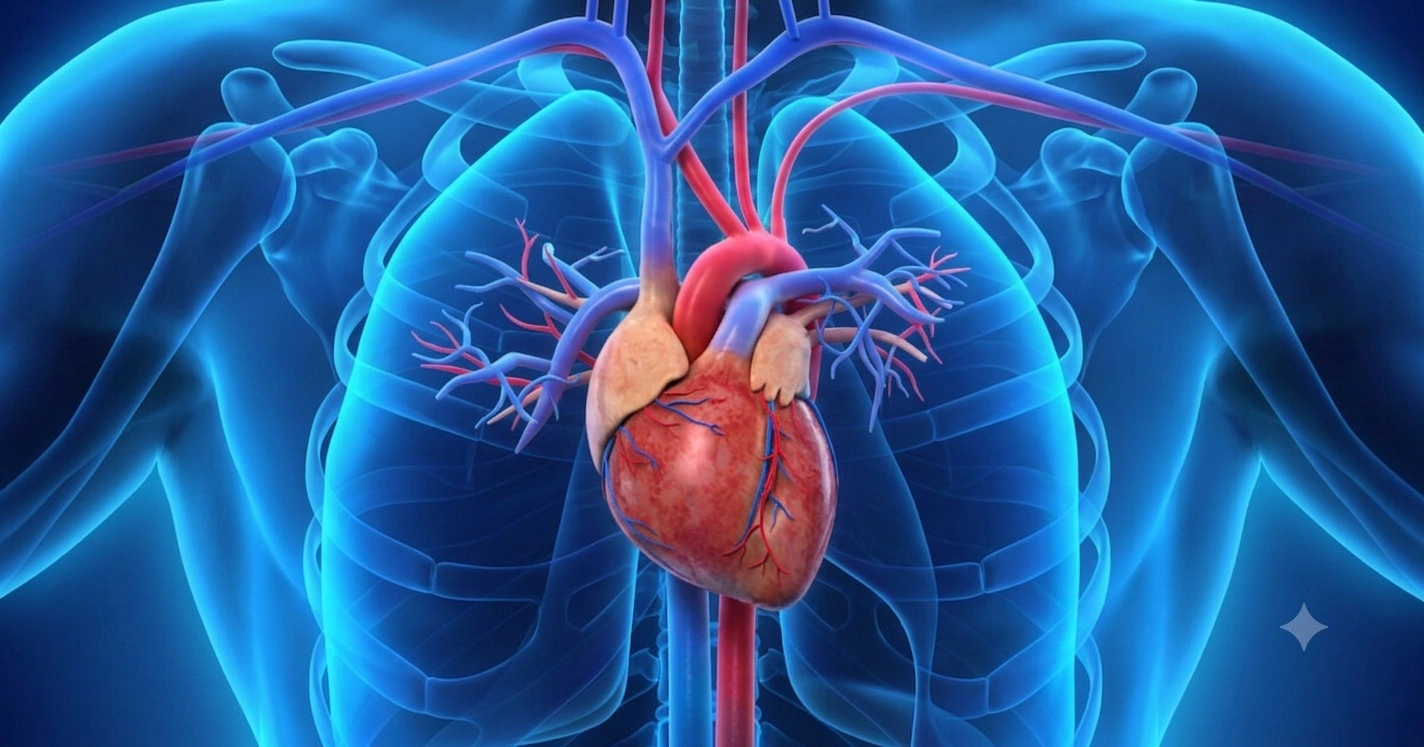
Heart health is the state and normal functioning of the heart and blood vessels collectively referred to as the cardiovascular system. Healthy hearts effectively pump oxygenated blood into all parts of the body to supply nutrients necessary for proper functioning of organs and tissues. Healthy hearts enable better performance of the body, increased energy levels, and lower risks of development of any significant health problems.
Unhealthy hearts contribute to development of various cardiovascular disorders like coronary heart disease, heart attack, heart failure, stroke, arrhythmia, and high blood pressure. Some of these illnesses progress slowly without any apparent signs; therefore, constant health screening and preventive measures become crucial.
Healthy heart lifestyle entails eating well-balanced meals, exercising regularly, getting enough rest, managing stress, quitting smoking, limiting alcohol intake, and keeping track of key health measurements like blood pressure, cholesterol levels, blood glucose, body weight, and oxygen levels. These practices might become very useful in lowering risks of developing heart problems.
At WEDO India, you'll also find a wide range of heart health products, including digital blood pressure monitors, pulse oximeters, smart health monitoring devices, weighing scales, ECG devices, and other home healthcare equipment that can help you monitor your cardiovascular health from the comfort of your home.
Why Is Heart Health Important?
Heart health is the key to good health. Each minute, your heart pumps rich in oxygen blood through your veins, giving your brain and organs necessary nutrients. In case if the heart is healthy, you will be able to function effectively.
There is a variety of diseases connected to heart which includes high blood pressure, heart attack, stroke, heart failure, etc. Most of these diseases can develop gradually, being unnoticed by their victims until it becomes too late. That is why the development of heart-friendly habits and constant monitoring of your cardiovascular system can save you from a number of medical issues.
It is possible to maintain good heart health by keeping a balanced diet, exercising regularly, avoiding stress, taking enough sleep, and not smoking. Additionally, regular check-up of such parameters as **blood pressure, heart rate, body weight, and oxygen saturation** can also tell you a lot about your state. With home health-care products like **digital blood pressure monitors, pulse oximeters, smart health watches, digital weighing scales, and ECG monitoring devices**, you will always have an opportunity to keep track of your heart health and monitor all crucial parameters of your health.
---
Most Common Heart Diseases You Should Know
Cardiovascular disease is the term which embraces a huge number of diseases and disorders which can affect the heart and blood vessels. While some of the heart diseases develop gradually due to lifestyle, some of them can be genetically inherited and can happen abruptly. Knowledge of the most common heart diseases can help you notice some warning signs and visit a doctor on time. Here are the most common heart-related conditions that everyone should know about.
Coronary artery disease is one of the most common types of heart disease. The disease occurs because of narrowing or blockage of arteries that provide blood to the heart due to deposition of fats (plaque). The lack of blood leads to such consequences as angina, heart attack, and other complications. It is crucial to monitor your blood pressure, cholesterol, diabetes and maintain a healthy lifestyle in order to lower the risk of CAD.
Heart Attack
The heart attack happens when the blood flow to a certain part of the heart gets abruptly blocked, causing lack of oxygen to the heart muscle. Such symptoms as chest pain or discomfort, pain that spreads to the arm, shoulder, jaw, or back, shortness of breath, sweating, nausea, and dizziness are considered to be a sign of a heart attack. The heart attack is a medical emergency that should be treated instantly to prevent further damage of the heart.
Heart Failure
Heart failure doesn't mean that the heart stops functioning, but that it is not able to work effectively. The common symptoms include fatigue, swelling in the legs or ankles, persistent coughing, rapid heartbeat, shortness of breath. In case of early detection and appropriate treatment, you can significantly improve the quality of your life.
Arrhythmia
The arrhythmia is a condition when the rhythm of the heart is abnormal, meaning that it beats too fast, too slow, or irregularly. Although some arrhythmias are harmless, others can cause a stroke or heart failure. If you experience palpitations, dizziness, fainting, and unexplained fatigue, you should visit a healthcare specialist.
Stroke
Although the stroke occurs in the brain, it is directly related to the health of the heart and blood vessels. It happens because of blocking of the blood flow to the brain or the rupture of a blood vessel. High blood pressure, arrhythmia, diabetes, and high cholesterol are major causes of strokes. It is very important to detect the stroke and start treatment immediately to avoid serious complications.
Congenital Heart Disease
The congenital heart disease is a term used for structural abnormalities of the heart that a person is born with. They can vary from the minor defect that doesn't require any treatment to complex heart abnormalities that require surgery or treatment throughout lifetime. Thanks to modern medicine, people with congenital heart disease have a possibility to live healthy and active lives.
---
Warning Signs of Heart Diseases
Many people don't pay attention to small symptoms of the heart diseases and think that everything is fine. However, such approach is extremely risky because early detection can help prevent heart attack or stroke. There are a few warning signs that can help you diagnose the heart disease on early stages and begin proper treatment.
Here are some of the most common symptoms of heart disease:
- Chest pain, pressure, or discomfort (angina);
- Shortness of breath;
- Fast, slow or irregular heartbeat (heart palpitations);
- Fatigue or unusual weakness;
- Dizziness, light-headedness, or fainting;
- Swelling in the feet, ankles, or legs;
- Pain in the neck, jaw, shoulder, back, or arms;
- Unusual sweating without physical effort;
- Nausea or discomfort similar to indigestion.
In case you have persistent chest pain, severe shortness of breath, sudden weakness, or other signs that can indicate heart attack or stroke, you should visit a doctor urgently. Monitoring your blood pressure, heart rate, oxygen levels, and body weight** regularly with the help of the trusted health-care devices will also help you detect some changes.
Risk Factors That Can Lead to Heart Problems
Anyone can get heart disease, but the risk of suffering from this illness is much higher for people with specific lifestyle factors, medical conditions, and genetic predisposition. Identifying and understanding these risk factors is the key to prevention. While some risk factors like age and genetics cannot be controlled, many of them can be successfully managed by choosing the right lifestyle.
Hypertension
High blood pressure is the major cause of heart disease and stroke. Consistently high blood pressure means extra strain on the heart and blood vessels, increasing the risk of heart attacks, heart failures, and kidney diseases. You can monitor your blood pressure regularly by using a **digital blood pressure monitor
People with diabetes are more likely to develop heart disease because high blood sugar damages blood vessels and nerves controlling the heart functions. Managing blood sugar through proper nutrition, exercise, medications, and constant monitoring helps decrease this risk factor. Such home healthcare tools as blood glucose monitors and blood pressure monitors can be useful here.
Smoking
Smoking harms blood vessels, decreases oxygen supplies to the heart, increases blood pressure, and leads to blood clots formation. Quitting smoking is the easiest way to keep your heart healthy and lower the risk of cardiovascular disease.
Obesity
Being overweight or obese means the increased workload for the heart and the risk of high blood pressure, diabetes, and high cholesterol. Choosing healthy nutrition and exercising can help you maintain a healthy body weight and lower the chances of developing heart diseases. A **digital weighing scale is the helpful instrument to monitor your weight.
High Cholesterol Levels
When the amount of LDL ("bad") cholesterol in the blood is too high, it starts to accumulate inside the arteries, decreasing the flow of blood to the heart and causing coronary artery disease and heart attacks. Eating healthy food, exercising, and following your healthcare provider's instructions can help you keep your cholesterol levels under control.
Stress
Long-lasting stress increases blood pressure, heart rate, and bad habits like overeating, smoking, and physical inactivity. Practicing relaxation techniques such as meditation and yoga will help you relieve stress and improve the heart condition.
Genetics
If any member of your family suffers from heart disease, stroke, hypertension, or high cholesterol levels, your chances of having these conditions are also quite high. However, even if there are no ways to change your genetics, regular screening and healthy lifestyle can help to decrease your risk level.
Physical Inactivity
Living a sedentary life means poor heart muscle condition, weight gain, and the risk of diabetes, obesity, and high blood pressure. At least 150 minutes of moderate physical activity per week can help you improve blood circulation, strengthen your heart, and prevent heart diseases.
---
Heart-Healthy Diet: Foods to Contribute to Your Cardiovascular Wellbeing
Good nutrition is one of the best ways to protect your heart and avoid heart diseases. A healthy diet ensures proper regulation of blood pressure, maintenance of healthy cholesterol levels, helps to control body weight, and maintains healthy heart function. Coupled with exercising, a healthy diet will ensure good heart condition in the long run.
Fresh Fruits
Fruits are rich with vitamins, minerals, antioxidants, and dietary fibers that improve the condition of your heart. Such fruits as berries, apples, oranges, bananas, pomegranate, and avocado help to decrease inflammation, maintain healthy cholesterol, and regulate blood pressure.
Vegetables
Low-calorie and low-fat vegetables provide the necessary nutrients that will contribute to your cardiovascular health. Leafy green vegetables, broccoli, carrots, tomatoes, and bell pepper can improve your heart functions by providing dietary fiber, potassium, and antioxidants.
Whole Grains
Whole grains contain fiber that helps to maintain healthy cholesterol and normal blood sugar levels. If you will replace refined grains with whole grains, it will lower your risks of developing heart disease.
Healthy Fats
Healthy fats included in olive oil, avocados, seeds, and nuts contribute to cardiovascular health by ensuring the normal cholesterol levels. You can use healthier fat sources to replace saturated and trans fats.
Fatty Fish
Fatty fishes like salmon, sardines, tuna, and mackerel are excellent sources of Omega-3 fatty acids that decrease inflammation, maintain healthy blood circulation, and reduce the risk of heart disease. Including these products in your menu once a week will positively influence your cardiovascular health.
Nuts
Such nuts as almonds, walnuts, pistachios, flaxseeds, chia seeds, and pumpkin seeds provide the beneficial fats, proteins, fiber, and minerals. Consuming these products in moderate amounts can help to maintain healthy cholesterol levels.
Products to Limit
By limiting processed foods, sugary drinks, excessive salt, deep-fried products, processed meats, refined carbohydrates, and foods with high levels of saturated and trans fats, you can significantly lower the risk of heart disease. It is recommended to read the labels on your products and make healthy decisions.
---
Exercises and Lifestyle Tips for Heart Protection
Regular physical activity and healthy lifestyle are essential for maintaining good heart health. Exercising helps to ensure healthy blood circulation, regulates blood pressure, controls body weight, strengthens the heart muscle, and reduces the levels of stress. Even small changes in your routine can have a long-term positive influence on your cardiovascular health.
Walking
Walking is one of the easiest and most efficient ways to improve your heart health. 30-minute brisk walking on most days of the week improves circulation, decreases blood pressure, strengthens your heart muscle, and helps to maintain a healthy weight.
Running
For those people who are physically fit and are approved to do more intense exercises, running can be an excellent choice for improving heart function, increasing endurance, burning calories, and lowering the risk of heart disease.
Yoga
Yoga includes physical exercises, breathing techniques, and relaxation that help to decrease stress levels, increase flexibility, and lower blood pressure. This exercise helps to take care of your heart along with other kinds of physical activity.
Weight Management
By maintaining healthy body weight, you reduce the load on your heart and lower the risk of high blood pressure, diabetes, and high cholesterol levels. With the combination of exercising and proper nutrition, you can achieve your target weight by using a **digital weighing scale**.
Proper Sleep
Proper amount of sleep (7-9 hours per night) is essential for healthy blood pressure and hormone regulation, as well as recovery of the heart muscle. Lack of sleep is associated with the risk of heart disease and other illnesses.
Stress Management
The management of stress plays a crucial role in heart protection. Meditation, mindfulness, breathing exercises, spending time with your friends and family, and participating in your favorite hobbies help to decrease the level of stress and improve heart health. Regular monitoring of your **blood pressure** during stressful times can help you to watch your heart condition.
Home Health Monitoring for Heart Wellness
Monitoring your heart health at home is a good practice which will help you identify potential health problems early and will assist in better management of existing heart-related diseases. Home heart monitoring devices give you an opportunity to measure key health indicators, including blood pressure, heart rate, blood oxygen saturation, body weight and heart rhythm.
If you suffer from high blood pressure, have diabetes, heart diseases in your family, or want to take a preventive step – use of the mentioned devices will help you to make right decisions and establish healthy living habits. WEDO India offers wide variety of heart monitoring devices which are suitable for home use.
---
Blood Pressure Monitor
A blood pressure monitor is a very important device which helps you to measure blood pressure (systolic and diastolic) and detect hypotension or hypertension in early stages.
It is especially recommended to use it for people with high blood pressure, diabetes, kidney disease, obesity, heart diseases in your family.
Benefits
- Monitoring blood pressure from home
- Detection of hypertension or low blood pressure early
- Regular monitoring (daily/weekly)
- Provide your doctor with accurate information
- Better management of hypertension
Blood Pressure Monitors
---
Pulse Oximeter
Pulse oximeter is a small device which measures your blood oxygen saturation (SpO₂) and pulse rate within several seconds. This device is mostly used for respiratory diseases but it can be helpful for people with certain heart conditions when oxygen level should be measured regularly.
Benefits
* Oxygen saturation level measurement
* Quick and accurate measurement of pulse rate
* Easy usage at home
* Portable and travel-friendly
* Helps to monitor heart and lung function
Pulse Oximeters
---
Digital Weighing Scale
Body weight monitoring is crucial for the prevention of heart disease. With the help of digital weighing scale you will easily control body weight and reduce risk of obesity, assess your diet and physical activities.
Benefits
* Accurate body weight measurement
* Healthy body weight management
* Monitoring progress in long term
* Encouragement of healthy habits
* Prevention of heart disease related with obesity
Digital Weighing Scales
---
ECG Device
With portable ECG devices you will be able to monitor your heart electrical activity and detect any heart rhythm problems which require medical attention.
This device will be useful for patients who have a history of arrhythmia, heart disease, experience recurrent palpitations.
Benefits
* Monitoring heart rhythm at any time
* Identification of irregular heartbeats
* Recording ECG reading for consultation with a doctor
* Portable and convenient for home usage
* Early detection of heart diseases
ECG Monitoring Devices
---
Smart Health Watch
Smart health watches have numerous health monitoring functions in one portable device. Nowadays many models of smart watches are able to measure heart rate, oxygen level of blood, sleep quality, daily activity and burn calories.
Such device is great tool to live an active life and maintain your heart health.
Benefits
* Constant monitoring of heart rate
* Tracking of daily physical activity
* Measurement of blood oxygen level (in compatible models)
* Sleep quality monitoring
* Encouragement of healthy habits
Smart Health Watches
---
Essential Heart Health Products You Can Use at Home
Usage of appropriate healthcare products will make management of your heart disease simpler, more convenient and effective. It will be helpful not only in monitoring existing disease, but also in preventive care of your heart.
Below you can see list of essential heart health products available on WEDO India.
---
Blood Pressure Monitor
Blood pressure monitor measures your blood pressure fast and accurately and gives you an opportunity to constantly monitor your cardiovascular health without visiting clinic.
When to use?
* High blood pressure (hypertension)
* Low blood pressure (hypotension)
* Heart disease monitoring
* Diabetes monitoring
* Routine health check-up
Benefits
* Fast and accurate readings
* Easy monitoring from home
* Memory storage in many models
* Early detection of abnormal blood pressure
Blood Pressure Monitors**
---
Pulse Oximeter
Pulse oximeter helps to measure oxygen saturation and pulse rate and to monitor general heart and lung function.
When to use?
* Heart disease
* Respiratory diseases
* Elderly patient monitoring
* During illness or recovery period
* Home healthcare monitoring
Benefits
* Instant oxygen saturation level readings
* Portable and lightweight
* Fingertip usage
* Ideal for home healthcare
Pulse Oximeters
---
Portable ECG Device
Portable ECG device helps to record electrical activity of heart and identify any heart rhythm problems.
When to use?
* Frequent heart palpitations
* Irregular heartbeat
* Heart disease monitoring
* Home monitoring as recommended by your doctor
Benefits
* Recording of ECG at any time
* Reporting to your healthcare provider
* Early detection of rhythm abnormalities
* Compact and easy to carry
ECG Devices
---
Digital Weighing Scale
Healthy body weight is one of the keys to prevent cardiovascular disease.
When to use?
* Weight loss program
* Obesity monitoring
* Heart health monitoring
* Diabetes monitoring
Benefits
* Accurate measurement of weight
* Healthy lifestyle encouragement
* Easy daily monitoring
* Fitness encouragement
Digital Weighing Scales
---
Heart Health Supplements
Heart health supplements can be a good source of nutrition for heart health when combined with healthy diet and according to the recommendations of your healthcare professional. Depending on individual needs, heart health supplements can contain Omega-3 fatty acids, Coenzyme Q10 (CoQ10), plant sterols, fiber or other nutrients.
When to consider it?
* To complement heart-healthy diet
* According to the recommendation of your healthcare professional
* For overall cardiovascular wellness
Benefits
* Overall heart health improvement
* Heart-healthy diet complementation
* Convenient daily nutrition
> Note: Before taking any dietary supplement, especially when you have any heart condition or use prescribed medicines, consult your doctor.
👉 Heart Health Supplements
---
Heart Health Products at WEDO India
On our website you can find wide range of heart health products of verified vendors, including **blood pressure monitors, pulse oximeters, ECG devices, digital weighing scales, smart health watches and heart wellness products**. Compare trusted brands and choose healthcare solutions which will suit your needs.
When Should You Consult a Medical Professional?
While practicing a healthy lifestyle and monitoring the condition of your heart at home is very important, however, all of it must not take the place of professional medical care. It can help diagnose heart diseases early on, even when no symptoms are noticed yet. Proper diagnosis and treatment at the right time reduce drastically the risks of experiencing serious complications like a heart attack, heart failure, or stroke.
It is recommended to see a healthcare professional if you have any of the following symptoms:
* Chest pain, pressure, discomfort
* Shortness of breath when resting or while performing any kind of activity
* Rapid, slow or irregular heartbeat
* Pain radiating to the arms, shoulders, neck, jaw, back
* Dizziness, fainting, or unexplained weakness
* Swelling in the feet, ankles or legs
* Fatigue that is interfering with your daily routine
* High blood pressure values which do not get under control regardless of the efforts to change your lifestyle
* Low values of blood oxygen and abnormal heart pulse
* Family history of heart diseases and some symptoms or other risk factors.
People who have high blood pressure, diabetes, high cholesterol, obesity, kidney disease, or people over the age of 40 need to visit the clinic for a heart health check-up. Regular monitoring through home healthcare devices is very important in order to maintain the heart's health in the long run.
---
FAQs Related to Heart Health
1. What are the earliest signs of heart disease?
The earliest symptoms might be chest pain, shortness of breath, unusual fatigue, dizziness, arrhythmia, edema in the legs or ankles, and pain that goes to the jaw, neck, shoulder or arm. If you feel these symptoms, you need to see a healthcare specialist as soon as possible.
---
2. How can I stay healthy and maintain my heart's health naturally?
Healthy and balanced nutrition, regular exercise, normal weight, management of stress, enough sleep, no smoking, low consumption of alcohol, monitoring of your blood pressure and health in general can help you maintain your heart's health.
---
3. How often should I monitor my blood pressure at home?
If you have high blood pressure or heart-related disease you need to monitor it according to the doctor's recommendations. In case you monitor it for general wellness, you should monitor regularly in order to notice any changes and take preventive measures.
---
4. Which foods are beneficial for heart health?
Fruits, vegetables, whole grains, legumes, nuts, seeds, fish that contain Omega-3 fatty acids and healthy oils like olive oil are beneficial for your heart. Eating less salt, sugar, and food that is highly processed helps to maintain the health of your heart.
---
5. Can regular exercises prevent heart disease?
Yes, regular exercise can help strengthen the heart, enhance the blood flow, regulate blood pressure, stay within normal weight and lower the cholesterol level. Healthy adults should try to perform at least 150 minutes of moderate activity per week unless there are other recommendations by your healthcare specialist.
---
6. Does high blood pressure always mean heart disease?
No, but uncontrolled high blood pressure is the main risk factor for heart diseases, stroke, and kidney disease. It needs to be monitored regularly.
---
7. Which home healthcare devices can help you monitor the state of your heart?
Popular devices for monitoring your heart health include digital blood pressure monitor, pulse oximeter, portable ECG device, digital scale and smart health watch that monitors your heart rate.
---
8. Can stress affect heart health?
Yes, long-term stress is one of the factors that leads to high blood pressure, unhealthy lifestyle, lack of sleep, and increased risks of cardiovascular disease.
---
9. Who is the most vulnerable group that has the high risks of developing heart disease?
People with diabetes, high blood pressure, high cholesterol, obesity, family history of heart diseases, smokers, physically inactive people, and older people are more likely to develop cardiovascular disease.
---
10. Where can I purchase heart health products?
You can choose a large variety of heart health products on WEDO India . Here you will find blood pressure monitors, pulse oximeters, ECG device, digital weighing scales, smart health watches and many others.